The Importance of Cellulose and Its Role in Modern Industrial Applications
Introduction
As a natural polymer, cellulose is not only a raw material from nature, but also a strategic component that finds wide use in modern industries. Found in the cell walls of plants, cellulose is one of the cornerstones of a sustainable production approach. In this article, the properties, advantages and industrial applications of cellulose will be discussed in detail.
Properties of Cellulose
Cellulose offers many different properties thanks to its chemical structure. These properties include the following:
- Natural and Renewable Source: Cellulose is derived from renewable resources such as cotton and wood.
- High Strength: Cellulose shows durability and flexibility thanks to hydrogen bonds.
- Suitability for Various Chemical Processes: Cellulose allows the production of various derivatives through different chemical processes.
Thanks to these properties, cellulose stands out as an environmentally friendly option and offers versatile uses.
Modern Applications of Cellulose
Cellulose is used as an important raw material in multiple industries. Here are the most common uses of cellulose in the modern world:
1. Paper and Packaging Industry
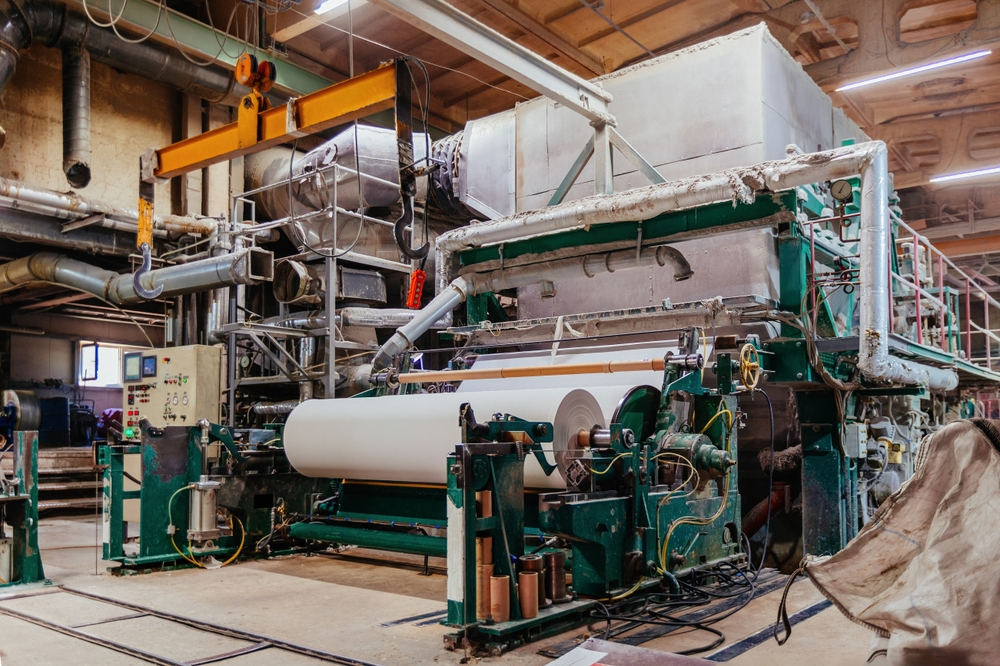
The best known use of cellulose is in the production of paper and packaging materials. Thanks to their recyclable nature, these products minimize environmental impact.
2. Construction Chemicals
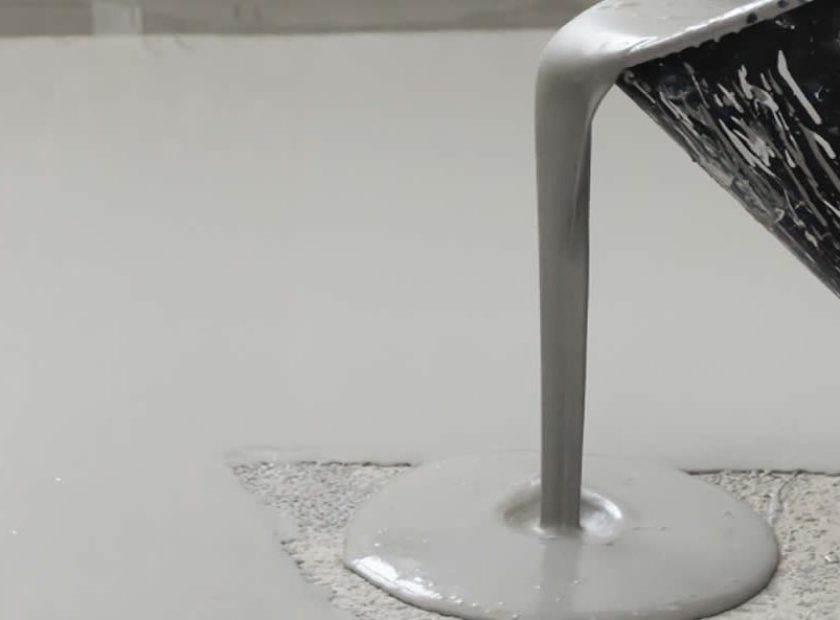
Derivatives such as hydroxyethyl methyl cellulose (HEMC) and hydroxypropyl methyl cellulose (HPMC) offered by Reform Plus Kimya increase water retention, adhesion and workability properties in cement-based building materials. These products contribute to the production of more durable and efficient materials in the construction sector.
3. Textile Production
Cellulose derivatives are used in the textile industry to produce synthetic fibers. Materials such as viscose are characterized by their durability and natural feel.
4. Cosmetics and Pharmaceuticals
In cosmetics, cellulose acts as a thickening agent, while in the pharmaceutical industry it is used as a tablet binder. It also plays an important role in extending the shelf life of products.
5. Food Industry
Used as food additives, cellulose derivatives improve the texture of products while also acting as stabilizers and emulsifiers.
Environmental Advantages of Cellulose
The contributions of cellulose to the environment are as follows:
- Biodegradability: Cellulose is completely biodegradable in nature, making waste management easier.
- Carbon Footprint Reduction: Derived from renewable resources, cellulose minimizes its carbon footprint.
- Recyclability: Products made from cellulose can be easily processed in recycling systems.
Powerful Solutions with Reform Plus Kimya
Reform Plus Kimya, as a company specialized in cellulose ethers, offers high-performance solutions to the construction chemicals industry. The company’s products have innovative formulas that improve both user experience and application results.
Result
Cellulose is used in a wide range of modern industries as well as serving environmental sustainability goals. Companies such as Reform Plus Kimya are leading the industry by making the best use of the potential of this valuable polymer. The future applications of cellulose will become even more diversified with technological advances and will find a place in every aspect of our lives.