Cellulose: Nature’s Versatile Polymer and Industrial Applications

Cellulose is a natural polymer that is the main component of the cell walls of plants. It is derived from renewable resources such as cotton fibers and wood. Its chemical structure consists of glucose units joined into long chains, which gives cellulose high strength and flexibility.
Chemical Structure and Properties of Cellulose
Cellulose is a linear polysaccharide, expressed by the formula (C₆H₁₀O₅)ₙ, in which glucose units are linked by β-1,4-glycosidic bonds. This structure is stabilized by hydrogen bonds and makes cellulose insoluble in water. Furthermore, cellulose fibers show high mechanical strength and chemical resistance.
Industrial Applications
Cellulose has a wide range of uses in various industries:
- Paper and Paperboard Production: Cellulose is the basic raw material for the production of paper and cardboard. Derived from wood or cotton fibers, cellulose is processed into pulp and converted into different types of paper products.
- Textile Industry: Cellulose derivatives such as viscose and modal are used in the textile industry to produce synthetic fibers. These fibers have the durability of synthetic fibers while offering the comfort of natural fibers.
- Pharmaceuticals and Cosmetics: Cellulose derivatives are used as binders in pharmaceutical tablets and as thickening agents in cosmetics. In particular, derivatives such as hydroxyethylcellulose (HEC) and hydroxypropylmethylcellulose (HPMC) are widely preferred in these industries.
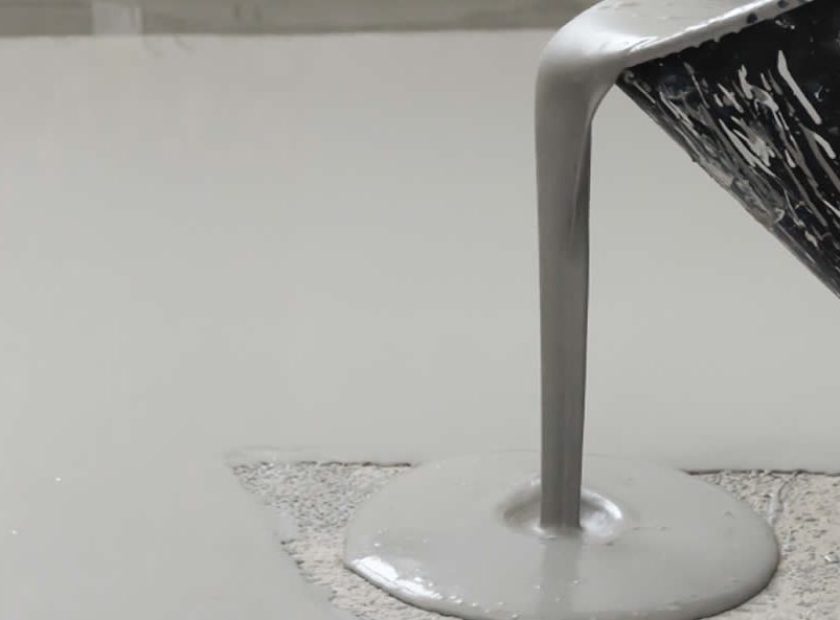
- Construction Chemicals: Cellulose ethers are used to improve water retention, workability and adhesion properties in cement and gypsum-based building materials. For example, hydroxyethyl methyl cellulose (HEMC) improves application performance by increasing water holding capacity in cement-based adhesives and plasters.
- Food Industry: Cellulose and its derivatives are used as stabilizers, emulsifiers and thickeners in food products. Microcrystalline cellulose used as a food additive improves the texture of products and extends their shelf life.
Reform Plus Chemistry and Cellulose Products
Reform Plus Kimya offers high quality raw materials such as cellulose ethers in the construction chemicals industry. The product range includes derivatives such as hydroxyethyl methyl cellulose (HEMC) and hydroxypropyl methyl cellulose (HPMC) specially formulated for cement and gypsum-based applications. These products optimize water retention, workability and adhesion properties to enhance the performance of building materials.
Conclusion
Cellulose, as an environmentally friendly polymer derived from nature, has a wide range of uses in industrial applications. Thanks to its chemical structure and properties, it stands out as an indispensable component to improve product performance in different sectors. Companies such as Reform Plus Kimya specialize in cellulose derivatives and offer high quality products that the industry needs.